

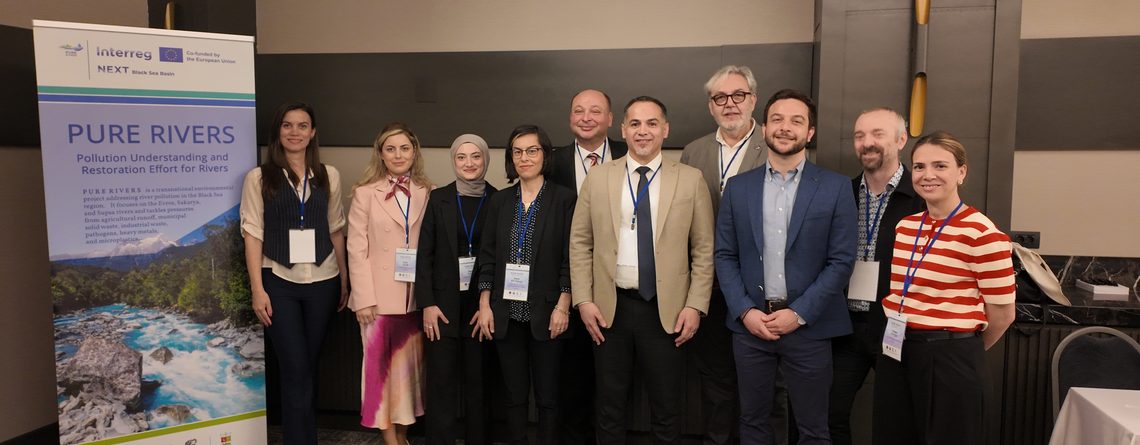
The PURE RIVERS project, implemented under the Interreg NEXT Black Sea Basin Programme with co-funding from the European Union, officially launched its activities with a kick-off meeting hosted by Istanbul University-Cerrahpaşa on 6–9 May 2026. Bringing together partner institutions from Türkiye, Greece and Georgia, the project has continued its work with stakeholder meetings held at the Governorship of Sakarya and fieldwork preparations in Greece.
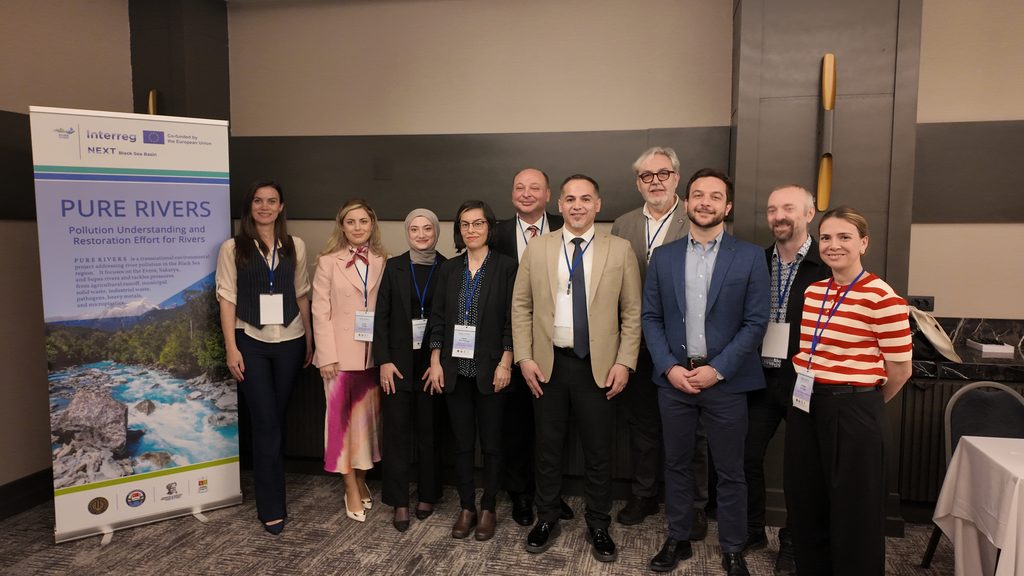
PURE RIVERS project partners at the kick-off meeting in Istanbul (May 2026).
Rivers do not recognise the lines drawn on maps. Pollution that enters the water in one country is carried by the current into neighbouring territories and from there into the sea. Protecting rivers therefore means speaking the same language on both sides of the border. It is precisely in this spirit that the PURE RIVERS (Pollution Understanding and Restoration Effort for Rivers) project brings together scientists, public institutions and local stakeholders from three countries around a common goal: to understand and reduce pollution in rivers and to revitalise degraded ecosystems.
Partners meet in Istanbul
The project’s first major meeting was held in Istanbul on 6–9 May 2026, hosted by the Lead Partner, Istanbul University-Cerrahpaşa. At the kick-off meeting, project partners from Türkiye, Greece and Georgia sat around the same table for the first time. Over four days, the partners jointly discussed the roadmap for the 30-month project, the division of tasks among the countries and the common approach to be followed on the three rivers.
The structure of the partnership also reflects the spirit of the project: it brings together universities with expertise in scientific monitoring and analysis and public institutions able to steer implementation on the ground. This structure will enable knowledge to reach decision-makers and the public directly rather than remaining in the laboratory.
First steps in the field: Sakarya
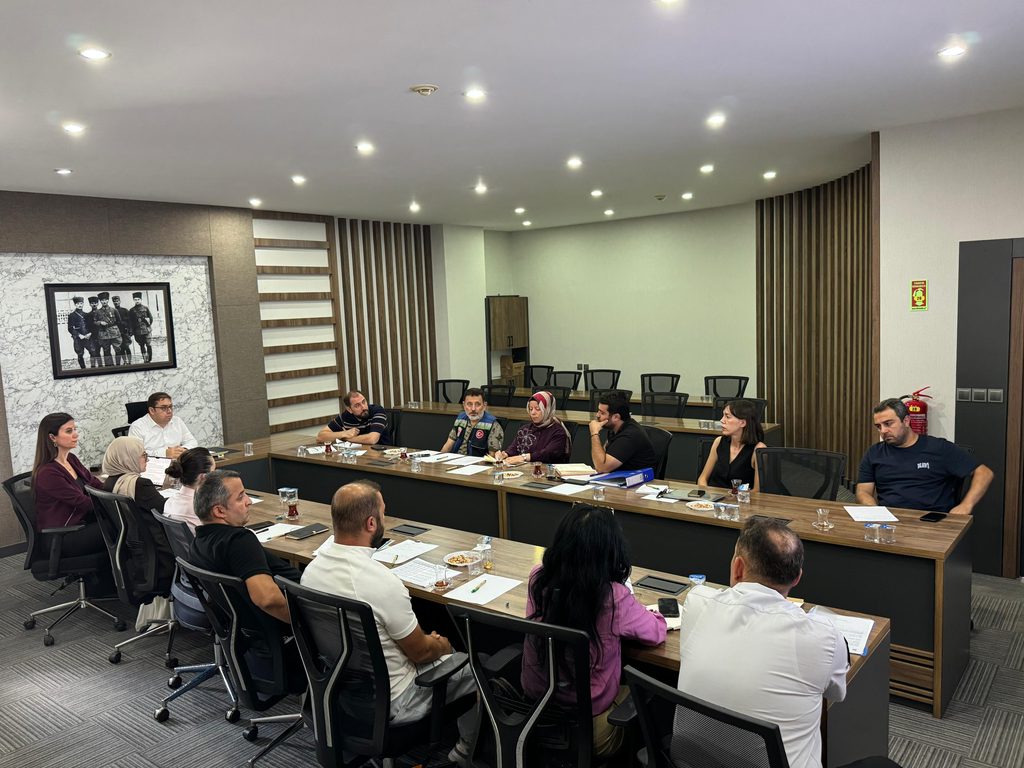
Following the kick-off meeting, the project moved on to fieldwork in Türkiye. An information meeting for public institutions was held at the Governorship of Sakarya, a project partner, chaired by Deputy Governor Dr İsmail Altan Demirayak. The meeting, attended on behalf of the Lead Partner by Project Coordinator Prof. Serkan İkiz and the project’s Financial Manager Prof. Ömür Koçak, addressed the protection of the Sakarya River and its basin, pollution monitoring and the active participation of local stakeholders in the process.
This was followed by the second Local Stakeholder Coordination Meeting. Representatives of the provincial institutions responsible for education, agriculture, environment, security and water management, together with the Sakarya Metropolitan Municipality Water and Sewerage Administration (SASKİ) and the State Hydraulic Works (DSİ), brought their reports, measurements, maps and field observations to a common pool. At the meeting, where views were exchanged on agricultural and domestic pollution sources, discharges and water quality, the data to be shared were identified, a roadmap was drawn up for identifying critical pollution hotspots, and the next joint activities were planned.
The cooperation model established in Sakarya became one of the first concrete examples of what bringing together information held separately by different institutions into a single picture can contribute to river management. The work to be carried out with local stakeholders throughout the project will also lay the groundwork for the three countries to benefit from each other’s experience.
Preparing for sampling in Greece
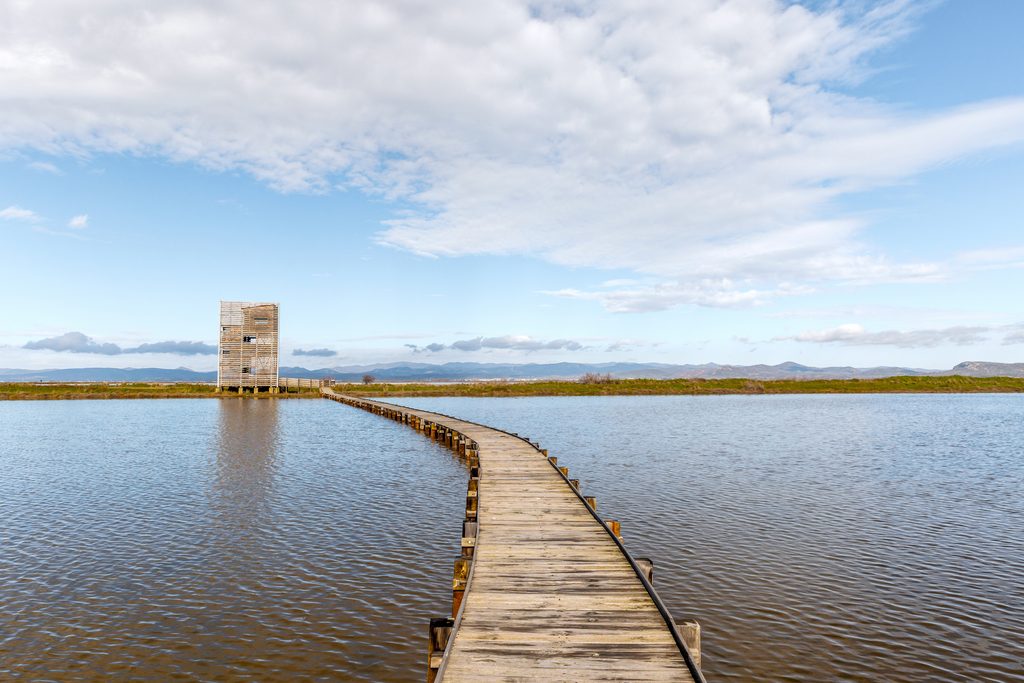
Work on the Greek side of the project has also reached a concrete stage. The project team has identified the points along the Evros (Meriç) River where water samples will be collected. In selecting the points, the impact of transboundary pollution, agricultural, urban and industrial activities in the area, and access to the riverbank were assessed together. The process of obtaining the necessary permits from the competent administrative and military authorities, required before sampling can begin, is ongoing.
During this period, the tender for the procurement of expert and technical support services for project implementation was also completed; the contractor has been selected and the contracting process finalised.
The story of rivers on the radio
The project has resonated not only in meeting rooms but also with the wider public. Project Coordinator Prof. Serkan İkiz presented PURE RIVERS to listeners on Yeryüzü Günlüğü (“Earth Diary”), a programme broadcast on TRT Radio. Emphasising that river pollution is not merely an environmental problem but has a wide-ranging impact, from public health and agriculture to the economy and future generations, Prof. İkiz provided information on the project’s work in the three countries and on the role citizens can play in protecting rivers. The broadcast, which attracted strong interest, was one of the important steps taken towards bringing the project’s scientific work to society.
Measure, reduce, restore, share
PURE RIVERS is progressing along four core pillars. First, the project teams will identify and monitor the sources and levels of pollution in the three rivers using scientific methods. Next, practical strategies for reducing pollution, which can also be adapted to other basins, will be developed. The revitalisation of river ecosystems and the conservation of biodiversity form the third pillar of the project. Finally, all the knowledge obtained will be shared with stakeholders, decision-makers and the public in the three countries.
The project’s real ambition, however, extends beyond its 30 months. The aim is for the partnerships established, the data collected and the methods developed to continue guiding river protection efforts in the Black Sea Basin after the project has been completed.


